Time to Travel Planner 2026: Best Tools, Benefits, and Smart Ways to Plan the Perfect Trip
Travel is not only about where you go, but also about when you go. Choosing the right time to travel can determine whether a trip feels smooth and enjoyable or stressful and expensive. This is why the concept of a time to travel planner has become increasingly important for modern travelers.
A time to travel planner helps travelers decide the most suitable period to travel based on weather, budget, crowd levels, personal schedules, and destination-specific conditions. With better timing decisions, travelers can maximize experiences while minimizing costs and inconvenience. This article explains the meaning of time to travel planning, its benefits, supporting technology, real-world tools, and how to choose the right solutions.
Understanding the Meaning of Time to Travel in Modern Planning
What “Time to Travel” Really Means
Time to travel refers to the decision-making process of determining the most suitable period to start a trip. This includes selecting dates, seasons, and even specific hours that align with personal goals, destination conditions, and external factors such as weather or tourism cycles.
In practical terms, time to travel planning helps travelers avoid peak crowds, extreme weather, inflated prices, and unnecessary stress. It transforms travel from a reactive activity into a well-calculated experience.
Why Timing Is a Critical Travel Decision
Poor timing can lead to overcrowded attractions, delayed transportation, and limited availability of accommodations. On the other hand, traveling at the right time can unlock better prices, quieter destinations, and more authentic experiences.
Modern travelers increasingly rely on data, tools, and planning systems to determine the best time to travel. This shift has created demand for time-travel planner solutions that combine information, technology, and practical guidance.
Benefits of Using a Time to Travel Planner
Better Cost Control and Budget Efficiency
One of the biggest benefits of time to travel planning is cost efficiency. Flights, hotels, and tours fluctuate in price depending on season and demand. A good planner helps travelers identify low-cost travel windows.
By avoiding peak seasons, travelers can reduce expenses while still enjoying the same destinations. This allows for better allocation of the budget toward experiences rather than inflated prices.
Improved Travel Comfort and Experience
Traveling during optimal periods means fewer crowds, shorter queues, and more relaxed environments. This improves comfort, especially for families, elderly travelers, or those seeking a slower pace.
Better timing also aligns travel with favorable weather, reducing the risk of cancellations, discomfort, or missed activities.
How Technology Supports Time to Travel Planning
Data-Driven Travel Timing Tools
Technology plays a major role in helping travelers determine the best time to travel. Modern planning tools analyze historical weather data, tourism trends, flight pricing, and local events.
These insights allow travelers to make informed decisions rather than relying on guesswork. As a result, the time to travel planning becomes more accurate and reliable.
Smart Integration Across Travel Platforms
Many travel planner tools integrate with booking platforms, calendars, and mobile apps. This integration ensures travelers can act quickly when optimal travel windows appear.
The combination of data analysis and real-time updates helps travelers stay flexible while maintaining control over their schedules.
Real World Products That Help Decide the Best Time to Travel
Google Flights Price Tracking
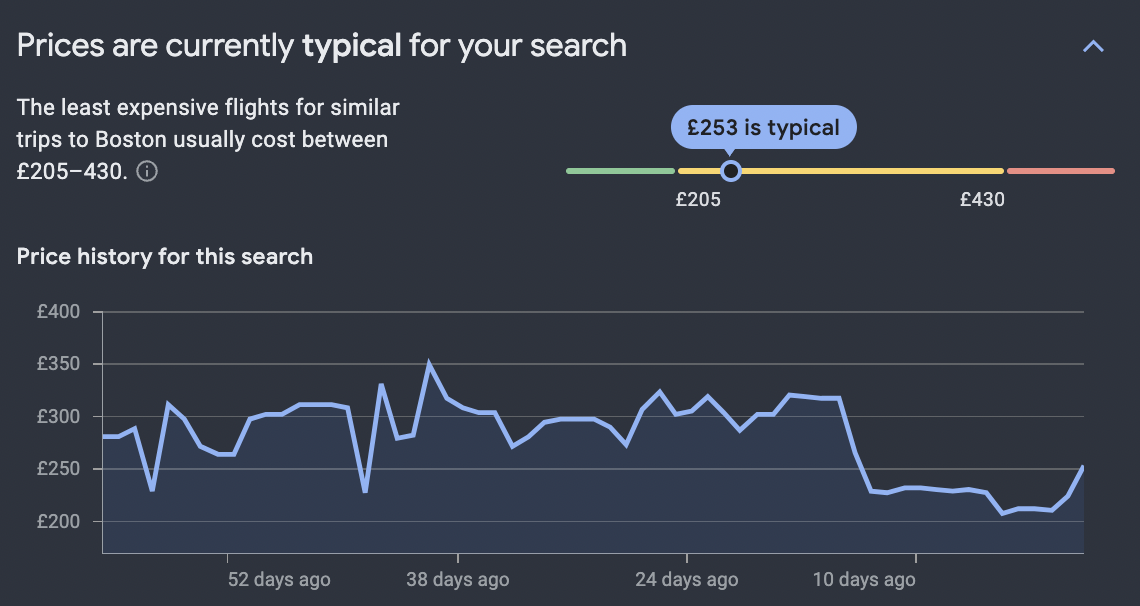
Google Flights offers advanced price tracking and flexible date search features. Travelers can compare prices across multiple dates and receive alerts when fares drop.
This tool helps travelers identify the most cost-effective time to travel based on real-time pricing trends.
Use Case and Problem Solved
Google Flights solves the problem of unpredictable airfare prices by providing transparency and price movement insights.
Why People Need It
Travelers save money and avoid overpaying for flights by choosing optimal travel dates.
How and Where to Use
This tool is accessed online and commonly used during the flight planning stage.
Skyscanner Travel Timing Tool
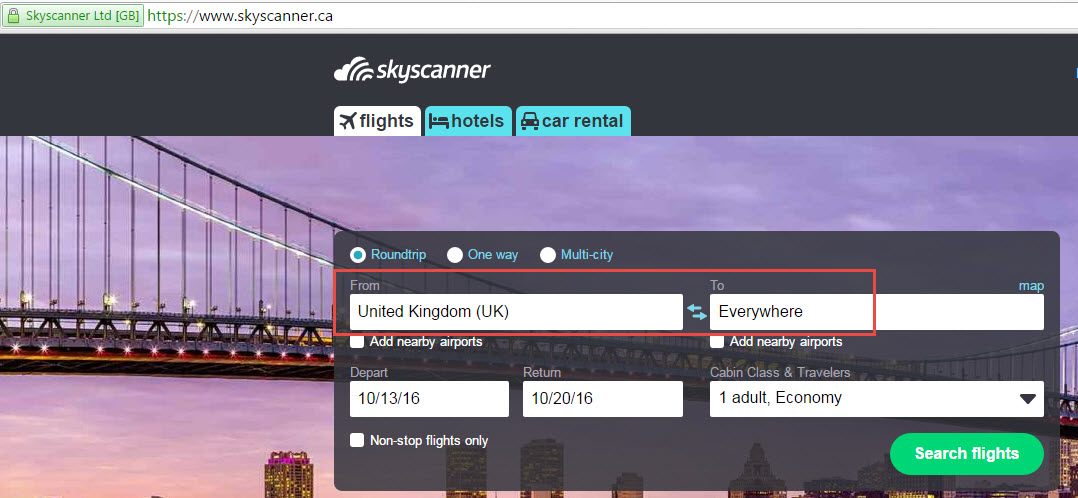
Skyscanner allows travelers to view the cheapest month and best days to travel to a destination. Its flexible search feature is ideal for travelers with open schedules.
The platform aggregates airline data to highlight optimal travel periods.
Use Case and Problem Solved
Skyscanner solves the issue of rigid travel dates by showing flexible timing options.
Why People Need It
Travelers gain freedom to choose the best time to travel based on price trends.
How and Where to Use
Used online as part of flight comparison and planning.
TimeShifter Jet Lag Planner
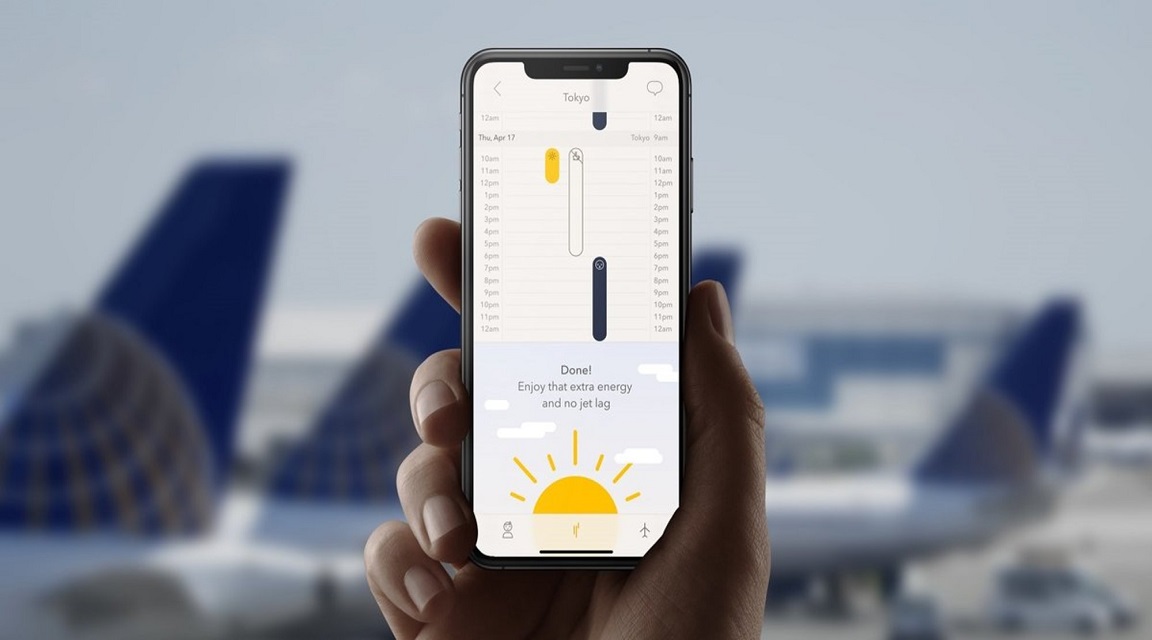
TimeShifter is designed to help travelers adjust their internal clocks before departure. It provides personalized schedules for sleep, light exposure, and caffeine use.
This planner focuses on timing travel to reduce jet lag and improve arrival readiness.
Use Case and Problem Solved
TimeShifter solves the problem of fatigue and disorientation after long-haul flights.
Why People Need It
Business travelers and frequent flyers benefit from better physical adaptation.
How and Where to Use
Used through a mobile application with guided plans.
Polar Grit X Travel Smartwatch

The Polar Grit X smartwatch tracks sleep, recovery, and physical readiness. Travelers use this data to decide when their bodies are best prepared for travel.
The watch supports timing decisions related to long journeys and active travel.
Use Case and Problem Solved
This smartwatch helps travelers avoid traveling during periods of physical fatigue.
Why People Need It
Health-conscious travelers benefit from data-driven timing decisions.
How and Where to Buy
Available through official brand retailers and authorized sellers.
TripIt Pro Travel Planner
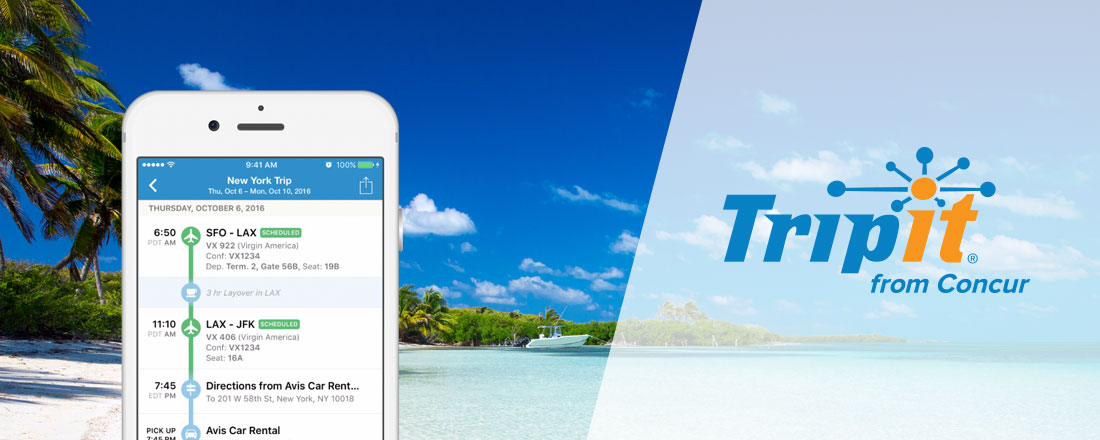
TripIt Pro organizes travel schedules and provides alerts about delays, disruptions, and optimal departure times. It centralizes all travel data in one place.
This tool helps travelers coordinate timing across multiple bookings.
Use Case and Problem Solved
TripIt Pro solves the issue of fragmented travel schedules.
Why People Need It
Frequent travelers benefit from centralized timing and proactive alerts.
How and Where to Use
Used via subscription-based travel management services.
How Time to Travel Planning Solves Real Travel Problems
Avoiding Overcrowding and Peak Stress
Traveling at the wrong time often leads to overcrowded destinations and reduced enjoyment. Time to travel planners help identify off-peak periods that still offer great experiences.
This approach improves satisfaction and reduces travel-related stress.
Aligning Travel With Personal Readiness
Not all travel readiness is external. Physical condition, work schedules, and mental preparedness also matter. Time planning tools help align travel with personal capacity.
This ensures travelers enjoy trips rather than spending time recovering from them.
How to Choose the Right Time to Travel Planner
Match Tools With Travel Style
Different travelers have different needs. Budget travelers may prioritize price tracking, while business travelers focus on timing efficiency and schedule reliability.
Choosing the right planner depends on destination type, travel frequency, and personal priorities.
Buy From Reliable and Trusted Platforms
Time to travel planning tools should come from reputable providers with accurate data and responsive support. Well-reviewed and established platforms offer better reliability.
Frequently Asked Questions
1. What is a time to travel planner?
A time to travel planner is a tool or system that helps travelers determine the best timing for a trip based on cost, weather, crowd levels, and personal readiness.
2. Is time for travel planning really necessary?
Yes. Proper timing improves comfort, reduces costs, and enhances the overall travel experience.
3. Can one planner work for all destinations?
No single planner works perfectly for all destinations. Travelers often combine multiple tools for better accuracy.