Best Travel Books to Buy in 2026: Guides, Benefits, Use Cases, and Where to Buy
Traveling without the right information often leads to wasted time, missed experiences, and unnecessary stress. Even in a digital world dominated by apps and blogs, travel books remain one of the most trusted and effective tools for planning, understanding destinations, and navigating unfamiliar cultures. A well-written travel book offers curated insights, structured guidance, and reliable context that many online sources fail to provide consistently.
For travelers who value depth, accuracy, and inspiration, choosing the best travel books is not just about reading—it is about making better decisions before and during a journey. From destination guides and cultural insights to practical planning and storytelling, travel books continue to play a critical role in modern travel experiences.
Understanding What Makes a Travel Book Valuable
A travel book is more than a collection of places and maps. High-quality travel books combine expert research, firsthand experience, and thoughtful organization to guide readers through complex destinations with confidence. Unlike scattered online articles, a single travel book presents information in a cohesive narrative that helps travelers see the bigger picture of a location.
Another key value lies in credibility. Established travel book publishers invest in local researchers, frequent updates, and professional editing. This ensures that readers receive accurate cultural context, realistic budgets, and practical advice that is applicable in real-world travel situations, especially when navigating unfamiliar environments.
Why Travel Books Still Matter in the Digital Age
Despite the popularity of travel apps and social media, travel books continue to offer advantages that digital platforms often lack. Books are not driven by algorithms or sponsored placements, which makes their recommendations more objective and trustworthy. Travelers can rely on them for honest assessments of attractions, accommodations, and cultural norms.
Travel books also support deeper engagement. Reading about a destination before arrival builds anticipation, cultural sensitivity, and understanding. This preparation allows travelers to move beyond surface-level tourism and experience destinations with greater confidence, respect, and purpose.
Benefits of Using Travel Books for Trip Planning
Travel books help travelers plan efficiently by presenting essential information in a structured format. Readers can understand transportation options, seasonal considerations, and regional differences without switching between multiple sources. This clarity reduces planning fatigue and decision overload.
Another major benefit is offline accessibility. Travel books do not depend on internet connections, battery life, or data plans. This makes them particularly valuable in remote areas, during long transit times, or in destinations where connectivity is unreliable or expensive.
How Travel Books Enhance Cultural Understanding
Cultural misunderstandings are one of the most common challenges travelers face. High-quality travel books address this by explaining local customs, etiquette, social norms, and historical context. This knowledge helps travelers avoid unintentional offense and fosters more meaningful interactions with locals.
By providing cultural narratives alongside practical advice, travel books encourage responsible and respectful travel. Readers gain insight into why certain traditions exist and how to adapt their behavior accordingly, leading to richer and more authentic travel experiences.
Lonely Planet Travel Guides

Lonely Planet is one of the most recognized names in the travel publishing industry. Its travel books are known for their detailed destination coverage, practical tips, and budget-conscious recommendations. Each guide is written by experienced travelers who conduct on-the-ground research, ensuring up-to-date and realistic information.
These travel books are ideal for independent travelers who want flexibility and depth. Lonely Planet guides cover transportation, accommodations, food, attractions, and cultural tips, making them suitable for both first-time visitors and seasoned explorers. The structured layout allows readers to plan entire trips or focus on specific regions with ease.
Use Case and Problem Solved
Lonely Planet books solve the problem of fragmented planning. Instead of relying on multiple blogs and apps, travelers can use one comprehensive guide to plan routes, budgets, and daily activities confidently.
Where to Buy
Available through official publishers, major bookstores, and trusted online retailers.
Rick Steves Travel Guidebooks

Rick Steves’ travel books focus heavily on cultural immersion and European travel. These guides are designed to help travelers experience destinations like locals rather than tourists. They emphasize walking tours, local cuisine, historical context, and practical travel skills.
One of the standout benefits of RickSteves’s travel books is their conversational tone. Readers feel guided by an experienced traveler who explains not just what to see, but why it matters. This makes the books particularly useful for travelers who want a deeper cultural understanding rather than surface-level sightseeing.
Use Case and Problem Solved
Rick Steves books help travelers overcome cultural barriers and tourist traps. They are especially valuable for travelers who feel overwhelmed by unfamiliar customs or complex city layouts.
Where to Buy
Available through book retailers specializing in travel and cultural publications.
National Geographic Travel Books

National Geographic travel books combine stunning photography with expert storytelling. These books appeal to travelers who are visually inspired and interested in geography, wildlife, and cultural heritage. They often focus on experiential travel rather than logistical planning alone.
The strength of National Geographic travel books lies in their ability to inspire. They encourage readers to explore destinations with curiosity and respect, making them ideal for travelers who value learning as much as exploration.
Use Case and Problem Solved
These books help travelers decide where to go by providing inspiration and context. They are perfect for travelers who struggle to choose destinations or want to understand the broader significance of a place.
Where to Buy
Commonly available in bookstores, museum shops, and online book marketplaces.
DK Eyewitness Travel Guides
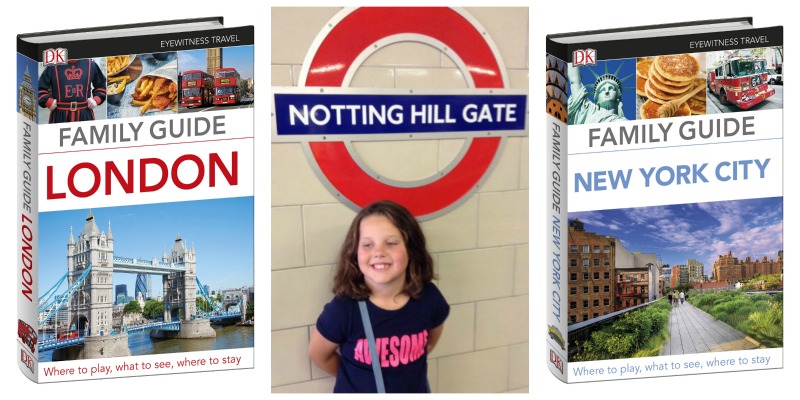
DK Eyewitness travel books are known for their visual layouts, detailed maps, and illustrated explanations. These guides are ideal for travelers who prefer visual learning and structured navigation support.
Each book breaks down destinations into clear sections, making it easy to understand neighborhoods, attractions, and routes. This clarity is especially useful for travelers visiting complex cities or traveling on tight schedules.
Use Case and Problem Solved
DK Eyewitness guides solve the problem of disorientation. Travelers who struggle with maps or city layouts benefit from visual references that simplify navigation.
Where to Buy
Available through major book retailers and travel-focused bookstores.
Rough Guides Travel Books

Rough Guides cater to adventurous travelers who want honest, no-frills advice. These books are known for their detailed background information, cultural depth, and realistic assessments of destinations.
Unlike overly polished guides, Rough Guides present destinations as they are, including challenges and limitations. This transparency helps travelers set realistic expectations and plan accordingly.
Use Case and Problem Solved
Rough Guides help travelers avoid disappointment by providing honest insights. They are ideal for travelers who want authenticity and are comfortable exploring beyond mainstream attractions.
Where to Buy
Widely available through travel book distributors and general bookstores.
How to Choose the Best Travel Book for Your Needs
Choosing the best travel books depends on travel style, destination, and personal preferences. Travelers planning detailed itineraries may prefer comprehensive guides, while those seeking inspiration might choose narrative-driven books with photography and storytelling.
It is also important to consider update frequency. Travel conditions change regularly, so selecting recently published editions ensures accuracy. Matching the book’s tone and depth with your travel goals leads to a more effective and enjoyable planning process.
How and Where to Buy Travel Books Safely
Travel books can be purchased through official publisher channels, trusted online marketplaces, and physical bookstores. Buying from reputable sources ensures authenticity and access to the latest editions.
Before purchasing, travelers should review publication dates, edition numbers, and reader feedback. This helps ensure the book aligns with current travel conditions and personal expectations.
Frequently Asked Questions
1. Are travel books still useful compared to travel apps?
Yes, travel books offer structured, reliable, and offline-accessible information that complements digital tools. They provide cultural depth and curated insights that apps often lack.
2. Which travel book is best for first-time travelers?
Comprehensive guides such as Lonely Planet or DK Eyewitness are ideal for first-time travelers because they cover planning, navigation, and cultural tips in one resource.
3. How often should travel books be updated?
Travel books should ideally be updated every one to two years. Always check the publication date to ensure the information is current and relevant.